
The importance of acoustics in churches
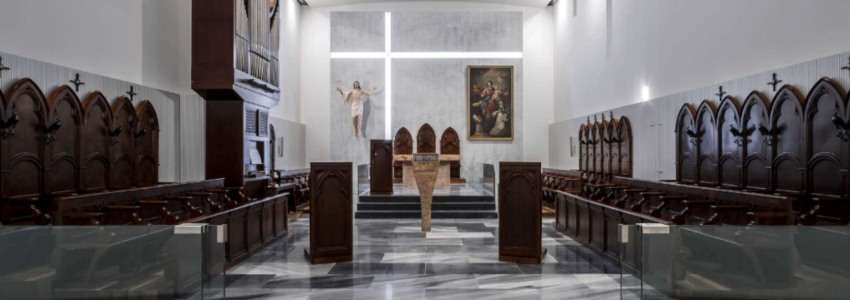
Churches are among the architectural spaces with the most complex acoustic conditions. Their large interiors, high ceilings and materials such as stone, marble and glass create high levels of reverberation that can make speech difficult to understand and affect the sound quality of any activity taking place inside.
In addition to religious services, it is becoming increasingly common for churches, basilicas and other historic buildings to host concerts, conferences, exhibitions and cultural events. This growing range of uses makes acoustic treatment even more important, as these spaces must provide suitable acoustic conditions for very different activities.
At Decustik, we develop acoustic treatment solutions for churches that improve acoustic comfort while respecting the building’s architecture and heritage value.
Why do churches have so many acoustic problems?
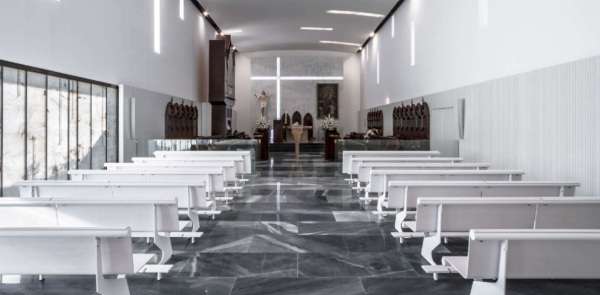
Most historic churches share architectural features that encourage sound propagation:
- High ceilings.
- Long naves.
- Vaults and domes.
- Stone or solid brick walls.
- Marble or stone floors.
- Large reflective surfaces.
These conditions cause sound to linger in the space for several seconds, resulting in very long reverberation times. As a consequence, words can overlap, reducing speech intelligibility and making communication between the speaker and the audience more difficult.
Most common acoustic problems
- Excessive reverberation: Sound lingers in the space for too long due to the large number of reflective surfaces.
- Poor speech intelligibility: Sermons, readings, conferences and presentations can be difficult to understand, especially in the back rows.
- Poor sound quality during concerts: More and more churches are hosting classical music, choral, organ and chamber music concerts, as well as contemporary cultural performances. Although a certain amount of reverberation can enhance some musical performances, excessive sound reflections reduce clarity and make it difficult to distinguish individual instruments or voices.
- Adapting to new cultural uses: Many churches now serve as multipurpose venues, hosting religious services alongside concerts, conferences, exhibitions and cultural activities. Each of these uses has different acoustic requirements.

Areas of application
Acoustic solutions can be integrated into different areas of the building, such as the main nave, sanctuary, choir area, side chapels, parish rooms and adjoining auditoriums, among others.
Each intervention is tailored to the building’s geometry, materials and specific requirements.
Real-world example: acoustic simulation in a church
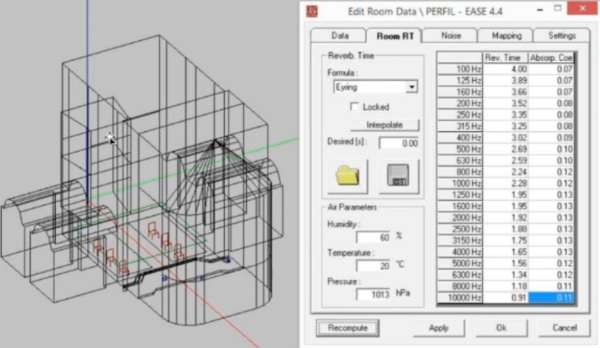
In a project, the existing space is first analysed: its volume, geometry, materials, nave height and initial reverberation levels.
Using this data, an acoustic simulation model is created to test different solutions before any work is carried out. The analysis focuses particularly on the seating area, at the audience’s ear level, to assess how direct sound reaches listeners and how much reflected sound interferes with their ability to hear clearly.
This process makes it possible to tailor the acoustic solution to the building’s actual needs, improve speech intelligibility and reduce reverberation, while always respecting the architectural value of the space.
Acoustic solutions
At Decustik, we design and manufacture engineered wood acoustic panels that can be integrated into historic buildings and new constructions without compromising their architectural value.
Our systems combine high acoustic performance with premium wood finishes, ensuring seamless aesthetic integration while respecting the existing architecture.
All our products are tested in accordance with current acoustic standards and can be supplied on request with FSC® or PEFC certifications.
Projects that respect architectural heritage
Each church has a unique architectural identity and different acoustic requirements. Therefore, any intervention must begin with a specific assessment to improve acoustic performance without compromising the building’s historical, artistic or heritage value.

- Categories
- Acoustics Spaces
- General Acoustics
Latest articles