
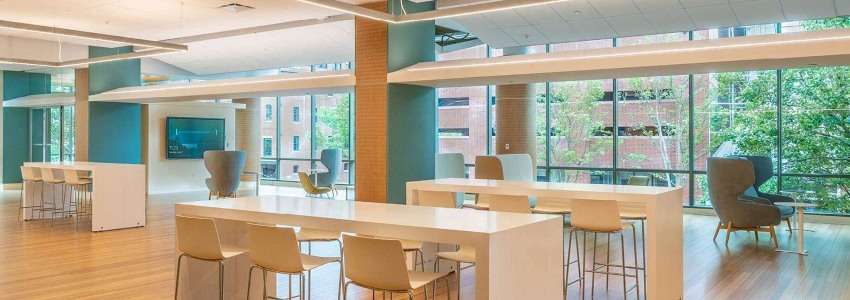
Noise in coworking spaces: how to improve acoustic comfort
Coworking spaces have changed the way thousands of professionals work. They encourage collaboration, optimise the use of space and create dynamic environments where companies, freelancers and multidisciplinary teams work alongside one another.
However, one of the most common challenges in these shared offices is noise. Conversations, phone calls, impromptu meetings and the constant movement of people can directly affect concentration, productivity and the well-being of users.
In this article, we explore why this problem occurs and what solutions are available to improve acoustics in coworking spaces.
How noise affects productivity and comfort in coworking spaces
Several studies, including one published by Cambridge University Press, have shown that constant noise makes it harder to concentrate and increases mental fatigue. Some of the main consequences include:
- Greater difficulty performing tasks that require concentration.
- Increased errors.
- Auditory fatigue.
- Stress and a feeling of being overwhelmed.
In an environment where productivity largely depends on intellectual work, good acoustics are no longer just an aesthetic consideration but a functional necessity.
Most common acoustic problems
- Excessive reverberation: When sound repeatedly reflects off walls, ceilings and floors, conversations linger in the space for longer.
- Lack of privacy: In many coworking spaces, conversations can be heard from several metres away.
- Noise in open-plan work areas: Shared workspaces tend to have the highest levels of activity.
- Poor meeting room acoustics: Excessive reverberation in meeting rooms can reduce video call quality and make conversations harder to understand.
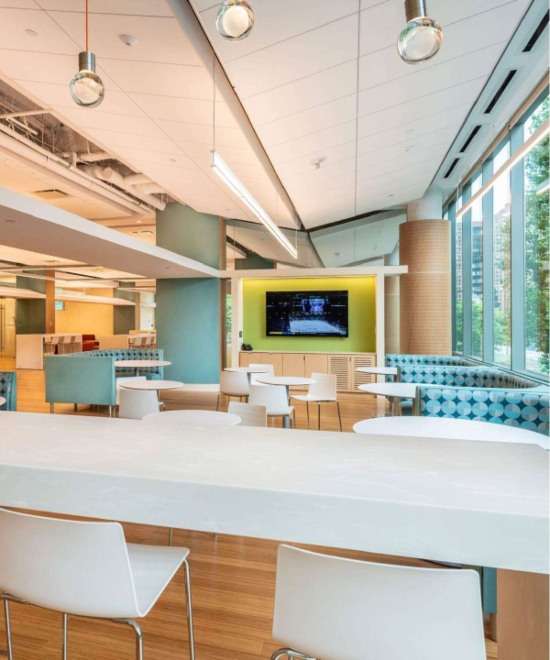
What acoustic solutions are available?
Each space requires a specific assessment, but there are widely used solutions that can significantly improve acoustic comfort.
- Acoustic ceiling panels: Reduce overall reverberation without taking up usable floor space.
- Acoustic wall panels: Help control sound reflections in high-activity areas.
- Engineered wood panels: In addition to offering high sound absorption performance, they can be easily integrated into architecture and interior design projects thanks to their wide range of finishes.
- Zone-specific acoustic treatments: Not all areas require the same acoustic conditions. Focus areas, meeting rooms, collaborative spaces and relaxation areas need solutions tailored to their specific use.
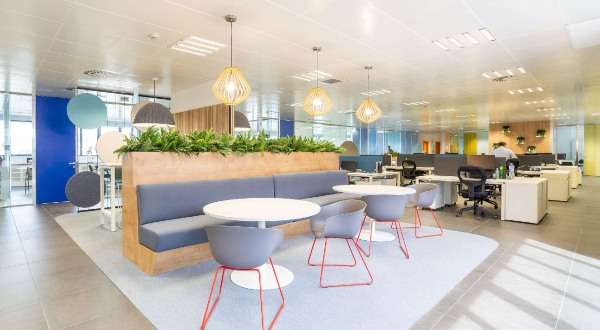
Examples and ideas for inspiration
Many companies have already seen how effective acoustic treatment can transform the working experience in coworking spaces. The result is more productive environments, with greater well-being for users and a higher perceived quality of the space without compromising on modern, open-plan design.
Below are some images of acoustic solutions developed by Decustik:
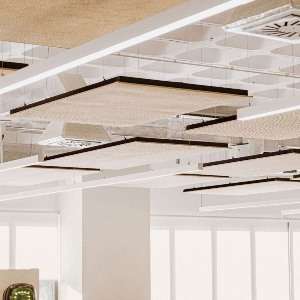
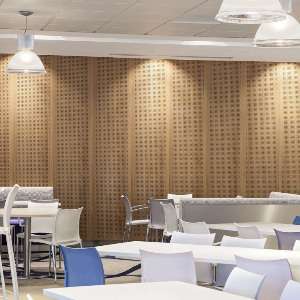
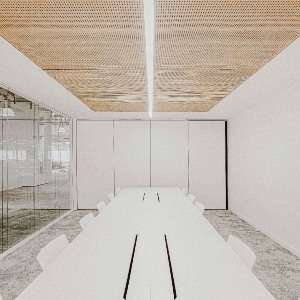
Acoustic solutions for coworking spaces
At Decustik, we develop acoustic treatment solutions for offices and collaborative workspaces using engineered wood acoustic panels designed to integrate seamlessly into any architectural project.
All our systems are manufactured using high-quality engineered wood, tested in accordance with current acoustic standards and available on request with FSC® or PEFC certifications.
Good acoustic design not only improves comfort for people working in coworking spaces but also creates a more efficient, healthier environment that is better suited to modern ways of working.
- Categories
- Acoustics Spaces
- General Acoustics
Latest articles